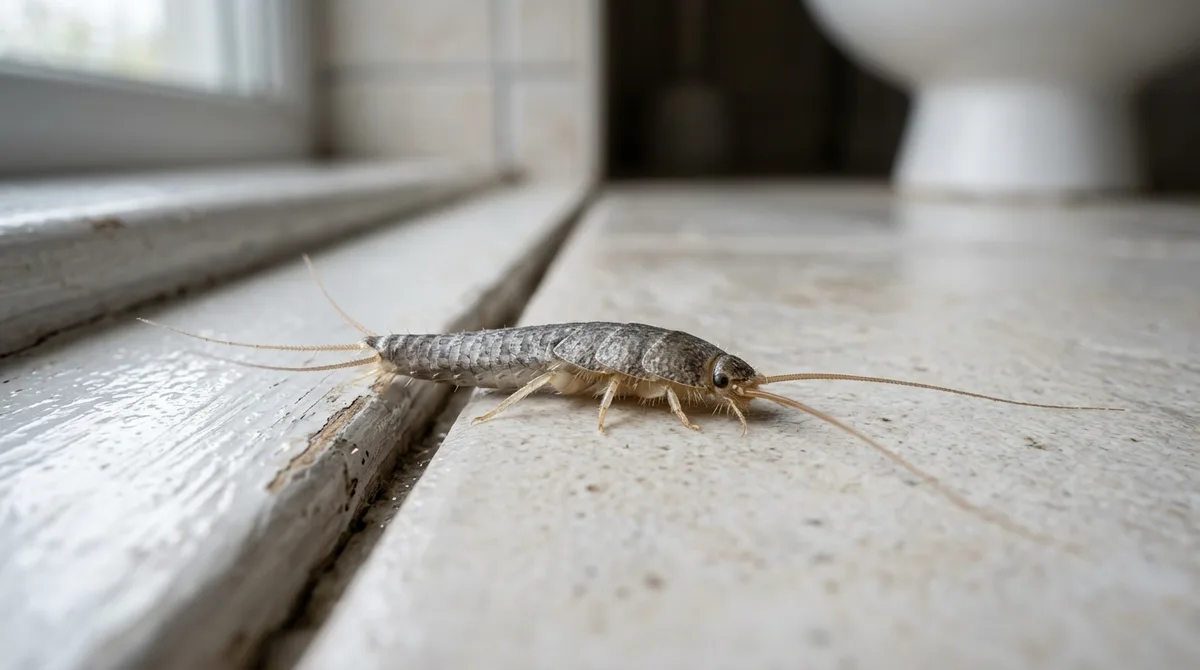
Silverfish are pests that thrive in humid conditions. Damp areas, including bathrooms and kitchens, as well as any dark and isolated spaces within your home, are at risk. Their name derives from their silvery, light grey colour and fish-like movements.
People tend to see these small, wingless insects as a nuisance rather than a threat; however they are unhygienic, especially in large numbers. It is common to find the odd silverfish in uninhabited areas of your home, such as a cupboard under the stairs, but if left alone they may breed. This can soon lead to infestations in kitchens, bathrooms and other areas of the house as they seek food, usually sugary items. JG will eradicate any silverfish problem you have across Cornwall.
What Silverfish Look Like
Silver-grey, tapered like a fish and fast-moving when the light goes on - silverfish thrive wherever humidity is high, feeding on paper, wallpaper paste, photographs and fabrics.
Treatment pairs professional insecticide with advice on the damp conditions that attracted them, because without fixing the humidity they simply return.
How Do I Know If I Have Silverfish?
Silvery InsectsSmall, wingless insects with a silvery, light grey colour and a distinctive fish-like, wriggling movement
Damp, Humid RoomsActivity concentrated in bathrooms, kitchens and other humid spaces where moisture levels are high
Dark, Isolated SpacesSightings in cupboards under the stairs, behind appliances and in rarely disturbed corners of the home
Damage to Sugary ItemsThey feed on glucose, so look for damage to food, paper, wallpaper paste and other starchy or sugary materials
Yellow Stains or ScalesTiny yellowish stains, shed scales or pepper-like droppings left where silverfish have been feeding
Growing NumbersA few silverfish left undisturbed will breed and spread, turning a minor nuisance into an infestation
How to Get Rid of Silverfish
Silverfish infestations often stem from an issue with damp, so in order to get rid of silverfish the damp problem must also be dealt with. There are a number of causes of damp, including poor ventilation and broken pipes.
By solving these underlying problems and applying effective pest control, an issue with silverfish - whether at a business property or your home - can be completely eradicated. The use of dehumidifiers and heaters to reduce damp will aid pest control methods for silverfish removal.
JG's Silverfish Eradication Service
Silverfish are naturally attracted to glucose (sugar), which is what they feed on
Our treatment combines insecticidal sprays and powders with sugar-based baits
This takes advantage of their feeding habits for the quickest possible results
Every property and silverfish problem is different, so treatment is tailored to your home
Tackle the Damp First
Silverfish thrive in humid, damp conditions, so damp must be addressed
Improve ventilation and repair broken or leaking pipes
Use dehumidifiers and heaters to reduce moisture levels
Insecticidal treatment plus damp management results in total eradication
Guaranteed Silverfish Treatment
As always, our service is guaranteed. If your pest problem persists we will return, free of charge, to treat it. Generally a combination of insecticidal treatment with effective management of any damp problems will result in total eradication of a silverfish infestation.
For leading silverfish pest control across Cornwall, carried out by RSPH (BPCA) Level 2 certified and trained technicians, get in touch today for more information or free advice.
ID used to identify users for 24 hours after last activity
24 hours
_gat
Used to monitor number of Google Analytics server requests when using Google Tag Manager
1 minute
_gac_
Contains information related to marketing campaigns of the user. These are shared with Google AdWords / Google Ads when the Google Ads and Google Analytics accounts are linked together.
90 days
__utma
ID used to identify users and sessions
2 years after last activity
__utmt
Used to monitor number of Google Analytics server requests
10 minutes
__utmb
Used to distinguish new sessions and visits. This cookie is set when the GA.js javascript library is loaded and there is no existing __utmb cookie. The cookie is updated every time data is sent to the Google Analytics server.
30 minutes after last activity
__utmc
Used only with old Urchin versions of Google Analytics and not with GA.js. Was used to distinguish between new sessions and visits at the end of a session.
End of session (browser)
__utmz
Contains information about the traffic source or campaign that directed user to the website. The cookie is set when the GA.js javascript is loaded and updated when data is sent to the Google Anaytics server
6 months after last activity
__utmv
Contains custom information set by the web developer via the _setCustomVar method in Google Analytics. This cookie is updated every time new data is sent to the Google Analytics server.
2 years after last activity
__utmx
Used to determine whether a user is included in an A / B or Multivariate test.
18 months
_ga
ID used to identify users
2 years
_gali
Used by Google Analytics to determine which links on a page are being clicked